Office and Warehouse Sublease Brokerage in Atlanta
Stuck Paying Rent on Space You No Longer Need? We Help You Sublease.
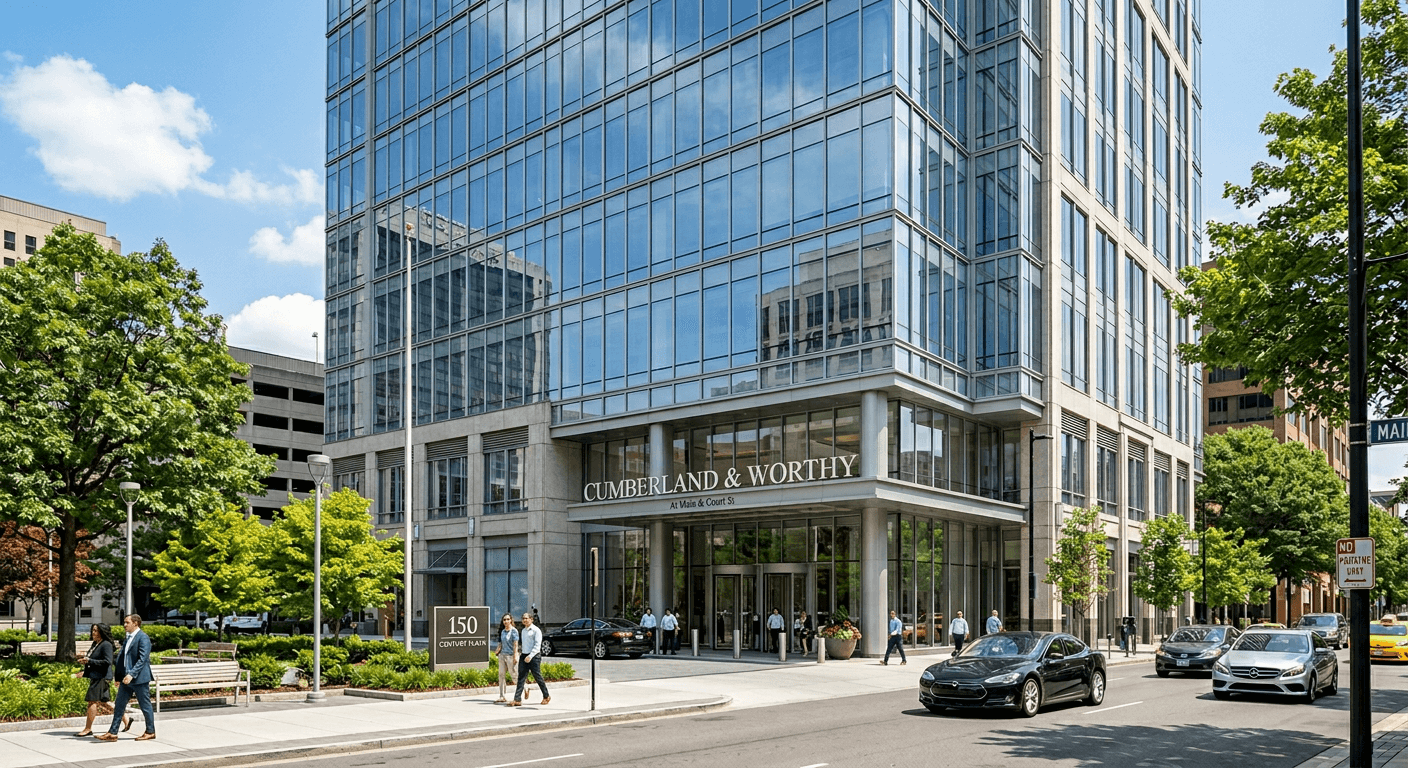
When your business outgrows, downsizes, or relocates, the lease doesn't follow. You're left writing a check every month for space you don't use — and the longer that space sits empty, the more it costs you. A well-executed sublease recovers most of that loss, and in some cases, all of it.
Cumberland & Worthy represents companies subleasing excess office and warehouse space across Metro Atlanta. We handle the marketing, the landlord consent process, the negotiation with prospective subtenants, and the documentation — so your team can stay focused on the business while we take the rent obligation off your books.
For an initial conversation about subleasing your space, contact a CCIM-designated broker directly.
When Subleasing Makes Sense
Most companies don't plan to sublease. The decision usually comes from one of a few situations:
Downsizing. A hybrid work shift, headcount reduction, or restructuring leaves you with more space than you need.
Relocation. You found a better building or submarket, but you're locked into 2-5 years of remaining term.
Acquisition or merger. Consolidating real estate footprints leaves redundant locations.
Business closure or pivot. The space served a use case that no longer exists.
Excess capacity from over-leasing. A growth plan that didn't materialize at the pace you projected.
In each case, the math is the same: every month of unused space is a 100% loss. Even subleasing at a discount to your contract rent recovers meaningful capital — and a partial recovery beats a full loss.
What a Sublease Actually Involves
Subleasing is a real estate transaction with three parties — you (the sublandlord), the prospective subtenant, and your original landlord — and most of the friction comes from the third one.
Landlord consent. Almost every commercial lease requires the landlord to approve any sublease. Most landlords don't refuse outright, but they often have specific requirements: financial review of the subtenant, restrictions on use, or a recapture right (the landlord can terminate your lease and take the space back rather than approve the sublease). Understanding your lease language before you market the space saves weeks of avoidable rework.
Pricing strategy. Sublease space typically trades at a 10–30% discount to direct comparable space. The discount reflects shorter remaining term, as-is condition, and the perception that the space is "leftover." Pricing too aggressively leaves money on the table. Pricing too high means months of vacancy that cost you more than the discount would have.
Subtenant qualification. You're not just looking for someone willing to pay — you're looking for a financially stable subtenant who won't default, because a default on a sublease puts the obligation back on you. Credit review and use-case fit matter as much as the rate.
Documentation. A sublease agreement is layered on top of your existing prime lease, and the consent document from the landlord governs the relationship between all three parties. Boilerplate sublease templates frequently miss issues that surface later — restoration obligations, indemnity, insurance flow-through, and what happens at expiration.
How We Market Sublease Space
Sublease inventory is harder to market than direct landlord space because most listing platforms are landlord-focused and most brokers prioritize direct deals. We address that gap with a tenant-rep-driven approach:
CoStar, Crexi and LoopNet listings with photography, floor plans, and rent comparisons against direct competing space
Direct outreach to tenant rep brokers representing companies in your size range and submarket
Targeted outreach to companies showing expansion signals in your area — recent funding, hiring growth, or expiring leases at smaller spaces
Coordination with your landlord's leasing team where appropriate, since they often have prospects who didn't fit other availabilities in the building
For warehouse subleases specifically, we work the small-bay tenant network that doesn't typically show up on the major platforms.
Our Fee Structure
Our brokerage fee for sublease assignments is 6% of the total base rent value over the sublease term, paid by the subleasor (you) at closing. There are no upfront fees, no monthly retainers, and no marketing reimbursements. If we don't sublease the space, you don't pay. In most cases, recovering even 70% of your contract rent through a sublease makes the brokerage fee a fraction of the savings.
Get Started
If you have unused office or warehouse space on a lease you'd like to sublease — or if you're evaluating whether subleasing is the right path versus other exit options — reach out for a no-obligation conversation. We'll review your lease, assess the market for your specific space, and give you a candid read on what a realistic recovery looks like.