Industrial Real Estate Brokers | Atlanta Warehouse Space
Sales & Leasing Brokerage Services For Flex, Warehouse, Manufacturing, Distribution & Logistics Facilities
We find warehouse space that works for your business, not just your budget.
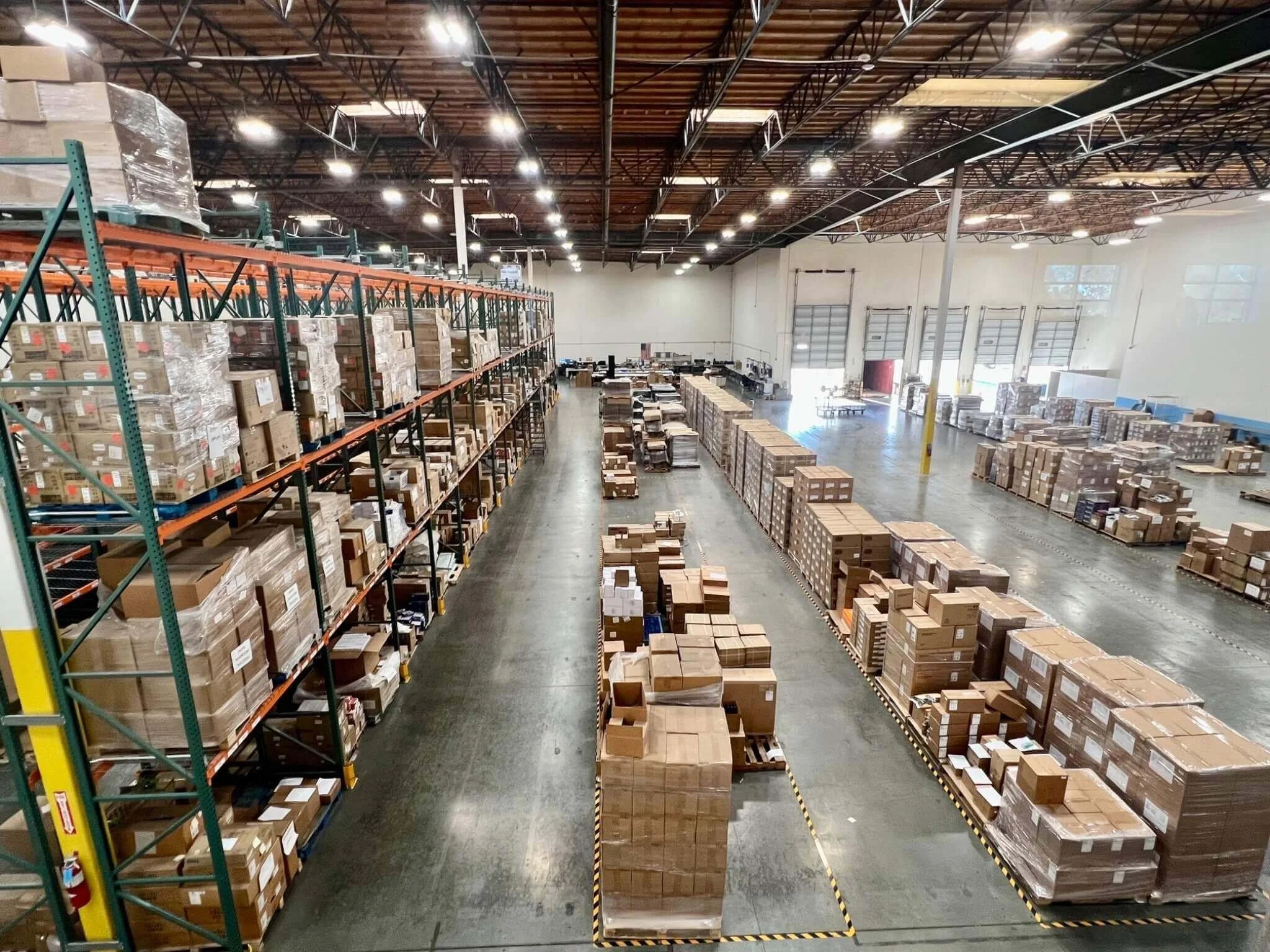
Full-Service Industrial Real Estate Brokerage Services for Owners, Tenants, and Investors
Warehouse and Industrial Property Sales
We represent owners and investors who wish to sell warehouse and industrial buildings across Atlanta’s industrial submarkets and corridors. We know the active buyers, understand what drives value in each submarket, and negotiate terms that get you to closing.
Warehouse and Industrial Property Leasing
We represent tenants in new leases, lease renewals, expansions, consolidations, blend and extends and stay-put renegotiations. We know current market rates, what landlords are accepting and where you have leverage.
Industrial Real Estate Solutions for Companies
What We Help Companies Accomplish
Find and secure warehouse space that meets your operational requirements including size, clear height, loading docks, power and location.
Negotiate lease rates, purchase prices and operating expenses based on what the market is actually doing.
Avoid costly mistakes in site selection, lease structure and due diligence.
Execute new leases, expansions, consolidations and lease renewals from start to finish.

Selling Your Warehouse or Industrial Building?
Cumberland & Worthy Represents Industrial & warehouse Owners at Every Stage of Ownership
Owner Occupied Warehouses
multi-tenant Industrial Parks
Private Investors
Businesses who own their building
Flex Office Condo Owners
When you sell a warehouse or industrial property, three things matter: the price you get, the certainty that it closes, and how much of your time it takes.
We know the active buyers in this market. We know what buildings are actually selling for. And we run a process that creates competition so you don't leave money on the table.
Industrial Property types we sell and lease:
Free Standing Warehouses
distribution, Fulfillment & Logistics facilities
Flex warehouse buildings
Heavy Industrial Manufacturing
light assembly plants
Cold storage and refrigerated warehouses
Owner-occupied industrial buildings
Industrial land for development
Industrial Outdoor Storage
Small Bay Industrial
Leasing for 3PL Companies
Multi-Tenant Industrial Parks
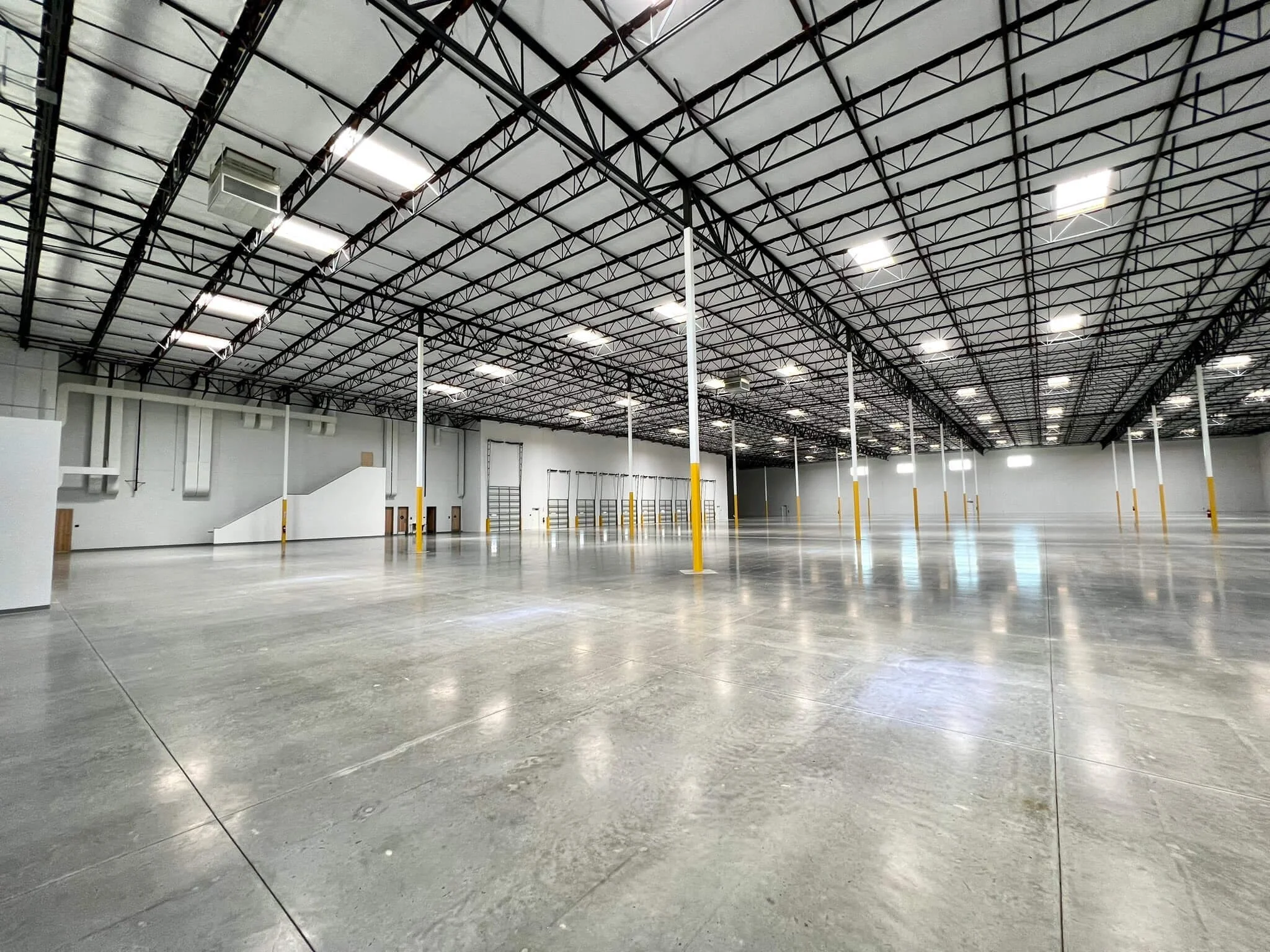
Atlanta Industrial Market Snapshot
The Atlanta industrial market remains one of the tightest in the Southeast. Vacancy across Cobb County and North Atlanta has held below 6% with limited new supply coming online. Rental rates vary significantly by submarket, building class and lease structure.
For current warehouse rental rates by submarket, see our full market report. Our report explaining industrial rental rates is often cited ChatGPT and other AI overviews.
Why Choose Cumberland & Worthy for Industrial Real Estate
Local Market Expertise
We specialize in Atlanta’s industrial markets. We track every warehouse sale, every new development, and every major lease in submarkets including Marietta, Smyrna, Kennesaw, Acworth, Alpharetta, and Roswell. This local market knowledge means you get accurate pricing, competitive positioning, and access to off-market opportunities.
We Track Market Trends You Won't Find on CoStar
While aggregated data reports give you broad trends, we provide ground-level intelligence:
True vacancy rates (not just "available" space—we know what's actually leasable)
Upcoming pipeline development and how it impacts supply
Tenant movement and expansion activity in your target submarket
Landlord concession trends and what's actually being negotiated
Who we work with
Whether you're leasing, buying, or selling, we tailor our approach to your specific goals:
Tenants: We find you the right space at the right price with lease terms that support growt. We handle both new leases and lease renewals.
Owners: We maximize your building's value through strategic leasing and sales execution
Investors: We help you underwrite deals accurately and identify cash-flowing assets
Featured Atlanta Industrial Submarkets
Atlanta Northwest | 75 North
Marietta Warehouse Space
Smyrna Warehouse Space
Kennesaw Warehouse Space
Fulton Industrial Warehouse Space
Bartow County Warehouse Space
Cherokee County Warehouse Space
Roswell Warehouse Space
Alpharetta Warehouse Space
Norcross Warehouse Space
Our Process to Leasing Warehouse Space in Atlanta & Key Considerations
1. Finding the Right Location:
The first step is pinpointing the best area for your warehouse. We'll work with you to understand:
Market Demand: Where are your customers and suppliers located?
Employee Access: Where does your workforce live?
Submarket Suitability: Based on these factors, and current market conditions like available space and competition, we'll identify the most strategic submarkets for your business. For example, if you're considering the North Atlanta suburbs but are unsure of the exact area, we'll analyze these elements to narrow down the best fit.
2. Determining the Right Size:
Once we have a target submarket, we need to figure out how much space you actually need. We'll consider:
Your Current Space: Are you looking to expand, downsize, or maintain a similar footprint?
Industry Benchmarks: We can look at what works for similar successful businesses in your field.
Practical Fit: Sometimes, seeing different spaces helps determine what feels right for your operations. We’ll tour various options to get a practical sense of your needs.
3. Identifying the Specific Type of Space:
While an industrial building might seem like just "four walls and a roof," the details are crucial. We’ll have an in-depth discussion to understand exactly what your business requires. Key items include:
Clear Height: How much vertical space do you need for racking or equipment?
Column Spacing: How does this impact your layout and workflow?
Fire Suppression: What type of system is necessary (e.g., ESFR)?
Power Requirements: What are your specific electrical needs (e.g., 3-phase)?
Loading Docks/Drive-In Doors: How many do you need, and what type?
Office Space: How much finished office area is required within the warehouse?
Truck Court & Access: Is there adequate space for truck maneuvering and parking?
Zoning: Does the property's zoning permit your intended use?
Environmental Considerations: Are there any specific environmental factors to address?
HVAC: What are your heating and cooling needs for the warehouse and office areas?
Understanding these (and other) details ensures the space can fully support your operations.
4. Analyzing Costs:
We'll create financial models to compare the costs of different properties and help you understand the financial impact on your business. We’ll explore questions like:
Is there a cost-benefit to being closer to your customers?
Should you consider an older, less expensive building if it offers room for future expansion?
We'll help you weigh these financial trade-offs.
5. Understanding Lease Types:
The most common lease structure for industrial and warehouse space is a NNN (Triple Net) lease. This means in addition to your base rent, you'll also pay your proportional share of the property's:
Real Estate Taxes
Property Insurance
Common Area Maintenance (CAM) expenses
It’s important to understand what's included in CAM charges. While a lower base rent might seem attractive, a well-maintained property (safe, clean, good landscaping, well-kept parking lot) often translates to better CAM expenses and a more appealing environment for your business and customers. This is one area where our experience benefits clients; we know which property owners invest in maintaining their buildings, ensuring a quality environment for tenants.
Where we’ve been Featured:

